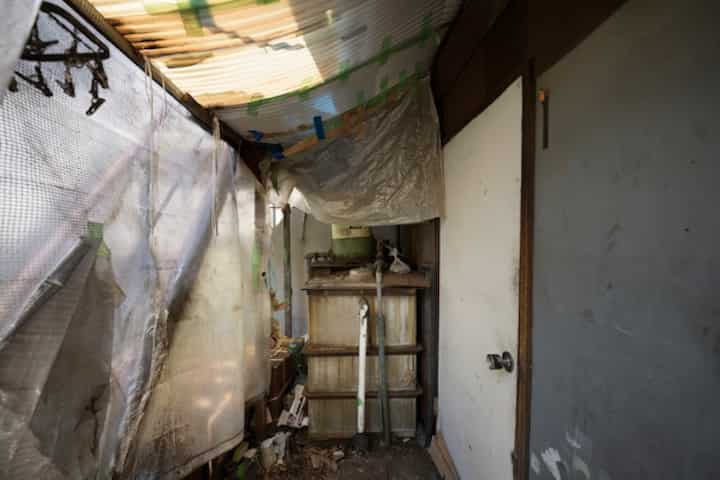
Efficient Basement Water Damage Clean Up Solutions for Flooded Basements
Basement flooding is a common and distressing issue that can cause significant damage to a home. Effective water damage cleanup is crucial to prevent further complications such as mold growth and structural damage. This article explores efficient solutions for basement water damage cleanup, providing homeowners with the knowledge to tackle these challenges effectively. By understanding the steps involved in cleanup and identifying the necessary tools and techniques, homeowners can protect their properties and ensure a safe and healthy environment.
Understanding the Causes of Basement Flooding
Before diving into the solutions, it's essential to understand the common causes of basement flooding. This knowledge can help in preventing future occurrences and ensuring a more effective cleanup process.
- Heavy Rainfall: Excessive rain can overwhelm drainage systems, leading to water seeping into basements.
- Plumbing Issues: Burst pipes or faulty plumbing can cause significant water accumulation in the basement.
- Foundation Cracks: Cracks in the foundation or walls can allow water to enter, especially during heavy rains or snowmelt.
- Improper Drainage: Inadequate drainage systems around the house can contribute to water pooling and basement flooding.
Steps for Effective Basement Water Damage Clean Up
Addressing water damage in the basement requires a systematic approach to minimize damage and health risks. The following steps can guide homeowners through the cleanup process:
1. Ensure Safety First
Before starting any cleanup, ensure the area is safe:
- Turn off electricity to prevent electrical hazards.
- Wear protective clothing, such as gloves and rubber boots, to avoid contact with contaminated water.
2. Remove Standing Water
Quickly removing standing water is crucial to minimizing damage:
- Use a sump pump or wet/dry vacuum to extract water efficiently.
- For extensive flooding, consider renting industrial-grade water removal equipment.
- Read more about this topic at this guide.
3. Dry and Dehumidify
Thorough drying is essential to prevent mold growth:
- Open windows and doors to promote airflow and assist drying.
- Use fans and dehumidifiers to speed up the drying process.
- Learn more in this detailed guide on effective drying techniques here.
4. Clean and Disinfect
Cleaning and disinfecting the affected area is vital for health safety:
- Remove debris and unsalvageable items.
- Clean surfaces with a mixture of water and a disinfectant to kill bacteria and prevent mold.
- Explore further insights on cleaning methods here.
5. Repair and Restore
After cleaning, assess for necessary repairs:
- Inspect the basement for structural damage and repair as needed.
- Replace damaged drywall, insulation, or flooring.
- Find additional information on restoration techniques here.
Preventative Measures for Future Flooding
Once the cleanup is complete, consider implementing preventative measures to avoid future basement flooding:
- Install a sump pump with a battery backup for continuous operation during power outages.
- Maintain gutters and downspouts to ensure proper water drainage away from the foundation.
- Seal foundation cracks and apply waterproofing compounds to walls and floors.
- Consider landscaping solutions to direct water away from the house.
Implementing these preventative strategies can significantly reduce the risk of future flooding and ease the impact on your home.
Conclusion
Efficient basement water damage cleanup requires a strategic approach, starting with safety precautions and extending to thorough drying and disinfection. Understanding the causes of flooding and implementing preventative measures are essential for protecting your home in the long term. For comprehensive guidance on managing basement flooding, explore further insights here.